

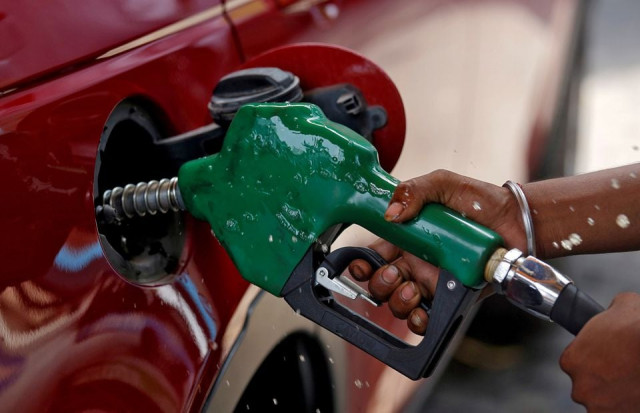
Shafaqna Pakistan: The federal government on Wednesday reduced the price of petrol by 94 paisas per litre while increasing the rate of high-speed diesel (HSD) by 54 paisas for August 13.
According to a notification issued by the Ministry of Petroleum, the new petrol price has been set at Rs324.98 per litre, while HSD will now cost Rs382.79 per litre.
The latest adjustment comes a day after the government cut petrol prices by Rs1.70 per litre and raised the price of HSD by Rs1.39 per litre for August 12.
The government introduced a daily fuel price review mechanism on July 17 amid fluctuations in global oil prices following renewed hostilities in the Middle East.
Under the mechanism, fuel prices are determined using a seven-day average of international market rates, in line with international pricing practices.
According to the Pakistan Economic Survey 2024-25, petroleum products constitute one of the country’s largest import categories, making the economy highly vulnerable to changes in global crude oil prices. Domestic refineries satisfy only part of national demand, while the remainder is met through imports of crude oil and refined petroleum products. Consequently, every increase in international oil prices raises Pakistan’s import bill, pressures foreign exchange reserves, and contributes to inflation.
Pakistan previously exercised significant government control over petroleum pricing through subsidies and administrative interventions. While these measures temporarily protected consumers, they imposed substantial fiscal costs. During periods of elevated global oil prices, successive governments delayed passing price increases to consumers, creating financial pressures for oil marketing companies, refineries, and the national budget. Large fuel subsidies widened fiscal deficits, increased public borrowing, and weakened macroeconomic stability.
Global geopolitical developments continue to pose significant risks. International oil prices are influenced by decisions taken by OPEC+, conflicts in the Middle East, sanctions on oil-producing nations, and disruptions in critical shipping routes such as the Strait of Hormuz and the Red Sea. Any interruption in these supply chains can immediately increase crude oil prices and freight costs. Since Pakistan imports the majority of its petroleum requirements, these developments quickly translate into higher domestic fuel prices.
Oil prices steadied in volatile trading on Wednesday, having earlier moved $1 higher, after forecasters cut projections for 2026 global oil demand, while attacks on ships in the Middle East continued as talks to end the Iran war hit an impasse.
Brent futures were down 3 cents at $88.88 a barrel by 12:10 p.m. ET (1610 GMT). US West Texas Intermediate crude rose 11 cents, or 0.13%, to $83.31.
“The key takeaway is that demand has declined significantly,” Anas Alhajji, managing partner at Energy Outlook Advisors, said in a note. He cautioned, however, that demand figures include inventory changes and may therefore differ from actual consumption at any given time.
Source: Express Tribune


