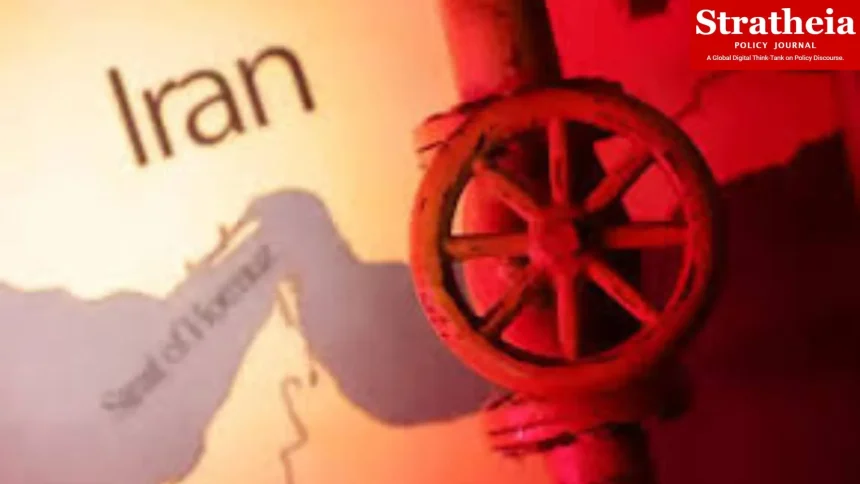
The Middle East is once again facing a period of heightened uncertainty as tensions surrounding the Strait of Hormuz threaten to unravel fragile diplomatic gains. Any deterioration in relations between the United States and Iran carries implications far beyond the region, given the strategic importance of the waterway through which a significant share of the world’s oil and liquefied natural gas exports passes. Unsurprisingly, renewed fears of disruption have already reverberated through global energy markets, pushing oil prices higher and raising fresh concerns over inflation, shipping costs and supply chain disruptions.
Diplomatic efforts that had previously sought to reduce tensions now appear increasingly fragile. Confidence-building measures aimed at ensuring the uninterrupted flow of maritime trade have come under strain as both Tehran and Washington adopt more assertive postures. Reports of legislative proposals in Iran concerning the regulation of shipping through the Strait, alongside discussions in Washington over stronger economic and strategic responses, have added to market uncertainty. Rather than reinforcing stability, these developments risk deepening mistrust at a time when sustained dialogue is urgently needed.
The broader regional security environment has also become increasingly volatile. Military exchanges involving Iran and its regional allies, continuing hostilities in Lebanon, and attacks linked to the Houthi movement have collectively heightened fears of a wider confrontation. The risk is no longer confined to individual flashpoints but extends to the possibility of a broader regional conflict with far-reaching economic and humanitarian consequences. Every new exchange of fire raises the likelihood of miscalculation, making de-escalation more difficult and increasing the danger of a prolonged crisis.
The economic consequences are already becoming evident. Financial markets across the region have responded cautiously to the deteriorating security environment, with investors retreating from riskier assets amid fears of prolonged instability. Pakistan, like many energy-importing economies, remains particularly vulnerable to sustained increases in global oil prices. Higher import costs would inevitably place additional pressure on inflation, foreign exchange reserves and fiscal stability, while businesses and consumers would bear the burden of rising fuel and transportation costs.
For Pakistan, the implications extend beyond economics. Any prolonged disruption to maritime trade through the Strait of Hormuz would affect import and export flows, complicating an already challenging macroeconomic environment. Rising energy prices could slow industrial activity, increase production costs and undermine efforts to sustain economic recovery. Similar concerns confront many developing economies that depend heavily on stable energy markets.
The unfolding crisis serves as a reminder that military escalation rarely produces lasting solutions. While governments may pursue policies intended to strengthen their strategic positions, sustained confrontation carries costs that ultimately extend well beyond the battlefield. Restoring dialogue, reinforcing diplomatic channels and preserving freedom of navigation remain essential to preventing the Gulf from becoming the epicentre of a broader geopolitical and economic crisis. At a time when global markets remain vulnerable to external shocks, renewed diplomacy offers the most credible path toward regional stability and international economic security.
Shafaqna Pakistan
pakistan.shafaqna.com
Note:Shafaqna do not endorse the views exrepssed in the article