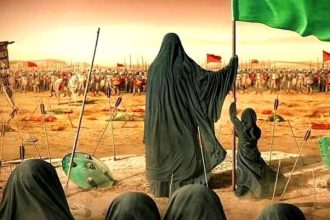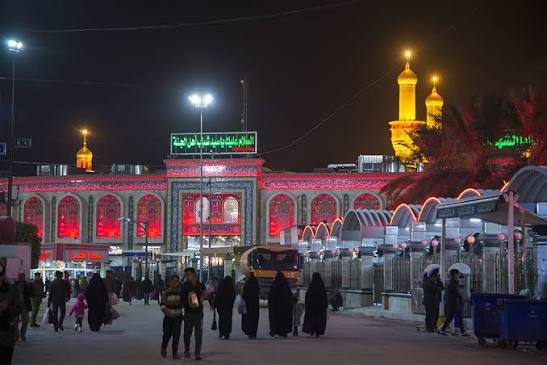
Shafaqna Pakistan:– Among the many historical events that have shaped religious communities, few have had as profound and lasting an impact as the tragedy of Karbala. For Shia Muslims, the martyrdom of Imam Hussain ibn Ali (AS) in 680 CE is not merely a historical occurrence but a foundational event that has deeply influenced religious beliefs, social practices, collective memory, and communal identity.
According to Shafaqna, the culture of Ashura, which encompasses the remembrance of Karbala through rituals, narratives, and ethical teachings, has played a central role in shaping Shia identity across different historical periods and geographical regions.
Ashura and the formation of collective memory
One of the most significant contributions of Ashura culture to Shia identity is the creation of a shared historical memory. The narrative of Karbala presents Imam Hussain (AS) as the embodiment of justice, courage, sacrifice, and resistance against oppression. Through repeated retelling of this narrative, Shia communities have developed a common understanding of their history and values.
The memory of Karbala transformed a tragic military defeat into a powerful symbol of moral victory. Rather than viewing Imam Hussain’s (AS) martyrdom as a loss, Shia tradition interprets it as a triumph of truth over tyranny. This interpretation has enabled generations of believers to identify themselves with the cause of justice and righteousness. As a result, the remembrance of Karbala serves as a unifying historical reference that connects Shia’s across different cultures and societies.

Rituals and the construction of collective identity
Ashura culture is not limited to historical remembrance; it is also expressed through a rich tradition of rituals and commemorative practices. Mourning ceremonies, processions, recitations, and gatherings held during Muharram create opportunities for collective participation and emotional engagement.
These rituals strengthen social bonds by bringing individuals together in a shared experience of remembrance and devotion. Participants are reminded that they belong to a larger religious community united by common beliefs and values.
Through repeated annual observance, the rituals of Ashura reinforce a sense of continuity between past and present, allowing each generation to renew its connection to Karbala.
Furthermore, public commemorations make Shia identity visible within society. They function as cultural expressions through which communities communicate their beliefs, preserve traditions, and transmit religious values to younger generations. In this way, Ashura rituals contribute significantly to the preservation and reproduction of collective Shia identity.
Ashura and social solidarity
Another important aspect of Ashura culture is its capacity to generate social solidarity. Shared mourning experiences foster empathy and emotional connection among community members. Charitable activities, communal meals, and volunteer initiatives organized during Muharram further strengthen social relationships and encourage collective responsibility.
The ideals of sacrifice and service associated with Karbala inspire many forms of social engagement. As a result, Ashura functions not only as a religious observance but also as a mechanism for community building and social cooperation.
The culture of Ashura has played a decisive role in shaping the identity of Shia society. Through the preservation of collective memory, the performance of communal rituals, and the promotion of ethical values, Ashura has become a cornerstone of Shia religious and social life. It provides a shared narrative that unites believers, a ritual framework that strengthens communal bonds, and a moral vision that guides individual conduct.
For these reasons, Ashura remains far more than a historical commemoration. It continues to serve as a living source of identity, meaning, and solidarity for Shia communities around the world.
Source: Centarkom, Pureoai, Hawzah , Shafaqna English
www.shafaqna.com