

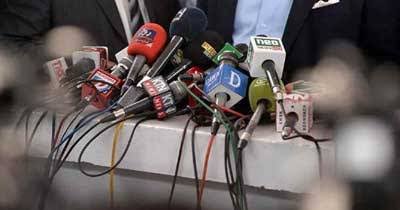
THE government’s decision to tighten restrictions on international media operating in Pakistan risks doing far more harm than good. Rather than improving oversight, the new measures are likely to alienate the foreign press, discourage independent reporting, and undermine the country’s own efforts to project a positive image internationally. At a time when nations compete for global investment, tourism and diplomatic goodwill, transparency and openness remain among the strongest assets a country can possess. Policies that appear to limit journalistic access send the opposite message.
Under the newly introduced Foreign Media Facilitation Guidelines, journalists working for international media organisations must now obtain a no-objection certificate (NOC) before reporting from anywhere outside Islamabad, Lahore and Karachi. According to the government, the guidelines are intended to establish an administrative framework for verification, coordination and facilitating access for foreign media. Yet the timing of these regulations raises legitimate questions. They follow closely on the heels of the government’s sharp reaction to an international media report on elections in Azad Kashmir, leading many observers to conclude that the objective is less about facilitation and more about tighter control over coverage.
The scope of these rules is particularly broad. They require foreign media organisations, journalists, freelancers, media professionals, local fixers, translators, photographers, researchers and even sponsors working with international outlets to register with the Ministry of Information and Broadcasting. Pakistani individuals and organisations assisting foreign media in any capacity must also register with the ministry’s External Publicity Wing. Such extensive requirements create additional layers of bureaucracy and uncertainty for journalists seeking to report from the country.
Equally troubling is the provision allowing accreditation to be suspended or revoked if a journalist is deemed to have acted against the country’s ideology, sovereignty, security or public order. While every state has a legitimate interest in protecting national security, these terms remain broad and open to interpretation. The resulting uncertainty may encourage self-censorship among journalists and place local media workers—including drivers, translators and fixers—at risk simply because of the stories international organisations choose to publish.
Governments naturally have the right to challenge inaccurate or misleading reporting. However, the most effective response to misinformation is transparency, timely access to information and credible evidence—not greater restrictions on journalists. Limiting access rarely prevents stories from being published; it merely shifts reporting beyond the country’s borders, where journalists are forced to depend on second-hand sources, satellite imagery and unofficial accounts. Such reporting is often less nuanced and may present an incomplete picture of realities on the ground.
Pakistan has repeatedly stated its desire to improve its international standing and attract greater economic engagement. Achieving those goals requires confidence in the country’s institutions and openness to scrutiny. Restrictive media policies risk sending the opposite signal—that access is conditional and independent reporting unwelcome. Instead of strengthening Pakistan’s image, they may reinforce negative perceptions among international audiences.
The government should therefore reconsider these guidelines. At a minimum, the NOC requirement for routine reporting outside major cities should be withdrawn, and the vague provisions governing suspension of accreditation should be replaced with clear, narrowly defined standards that respect due process. A confident nation has little to fear from independent journalism. By embracing transparency rather than restricting it, Pakistan would do far more to strengthen its credibility and reputation than any system of permissions ever could.
Shafaqna Pakistan
pakistan.shafaqna.com
Note: Shafaqna do not endorse the views expressed in the article


