The renewed discussion of negotiations between the United States and Iran offers a welcome opportunity to reduce tensions after weeks of dangerous escalation. Yet the statements emerging from Washington and Tehran suggest that both sides continue to send conflicting messages, making the prospect of a durable settlement increasingly uncertain. Diplomacy cannot succeed when accompanied by ultimatums and military threats, nor can trust be rebuilt without concrete actions. If the latest developments are any indication, both governments remain far apart on the conditions necessary for meaningful negotiations.
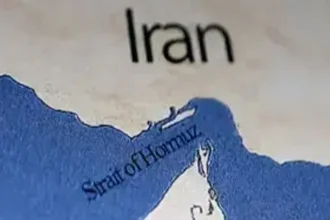
US President Donald Trump has projected optimism about the prospects for diplomacy while simultaneously maintaining a confrontational posture. He claimed that there had been an “all-day negotiation” with Iran, describing the discussions positively but warning that Tehran would be hit “really hard” if no agreement is reached. Trump also declared that the Strait of Hormuz would be reopened “very soon,” threatening severe military action if this did not happen. Similar remarks in recent weeks have combined expressions of confidence in diplomacy with warnings that the “hardest hit is yet to come” should talks fail. He has further asserted that he postponed what he described as the “biggest military attack since World War II” after Saudi Crown Prince Mohammed bin Salman encouraged him to pursue diplomacy instead. While such statements portray Washington as favouring negotiations, they are also accompanied by pressure tactics that inevitably undermine confidence in the diplomatic process.
Iran’s position differs significantly. Tehran has confirmed discussions with Oman over establishing a temporary shipping corridor through the Strait of Hormuz to facilitate commercial traffic. However, Iranian officials have been careful to clarify that an agreement with Muscat would not automatically result in the reopening of the strategic waterway. More importantly, they insist that these discussions do not involve the United States and that the future of the Strait remains linked to Washington’s conduct. Iranian leaders continue to argue that meaningful progress will only be possible if the United States abandons its policy of combining negotiations with military coercion. Given the repeated threats issued alongside American calls for dialogue, Iran’s scepticism cannot simply be dismissed.
The international community has repeatedly emphasised the need for diplomacy to prevent the crisis from spiralling further. Countries including Pakistan and Jordan have called for dialogue as the only viable means of de-escalation. The prolonged conflict has already imposed significant costs on the global economy, disrupting energy markets and creating uncertainty for international trade. The Strait of Hormuz remains one of the world’s most critical maritime corridors, and any prolonged disruption threatens global oil supplies, shipping costs and economic stability. Further escalation would not only deepen regional insecurity but could also produce consequences extending far beyond the Middle East.
Iran’s reluctance to place its trust in Washington is also rooted in recent experience. Previous diplomatic understandings created temporary opportunities for reducing tensions, but those arrangements ultimately collapsed amid mutual accusations of failing to honour commitments. Tehran argues that Washington focused primarily on securing strategic objectives while neglecting broader obligations under earlier agreements. The breakdown of diplomacy was followed by renewed military confrontation, including American strikes inside Iran and retaliatory attacks by Tehran on US military facilities in the region. These events have reinforced Iran’s belief that political assurances alone are insufficient without credible guarantees of implementation.
Regional powers have strong reasons to encourage renewed negotiations. Saudi Arabia and other Gulf states recognise that any further deterioration could draw additional countries into direct confrontation, transforming an already dangerous dispute into a wider regional conflict. Such an outcome would threaten political stability, economic growth and energy security across the Middle East while increasing the likelihood of prolonged military confrontation. Avoiding that scenario should remain the priority of all parties involved.
Negotiations therefore remain the only realistic path towards lasting stability. However, diplomacy cannot succeed if one side relies on alternating between offers of dialogue and threats of overwhelming force, while the other remains convinced that previous commitments will once again be abandoned. The United States must demonstrate through practical measures that future agreements will be respected. Confidence-building initiatives, including humanitarian measures and the release of frozen Iranian assets where legally and diplomatically feasible, could help establish an atmosphere more conducive to meaningful negotiations. Sustainable peace will ultimately depend not on rhetoric or military pressure, but on consistent actions that rebuild trust and create the foundations for a durable political settlement.
pakistan.shafaqna.com
Note: Shafaqna do not endorse the views expressed in the article